Moth Facts & Information
Protect your home or business from moths by learning techniques for identification and control.
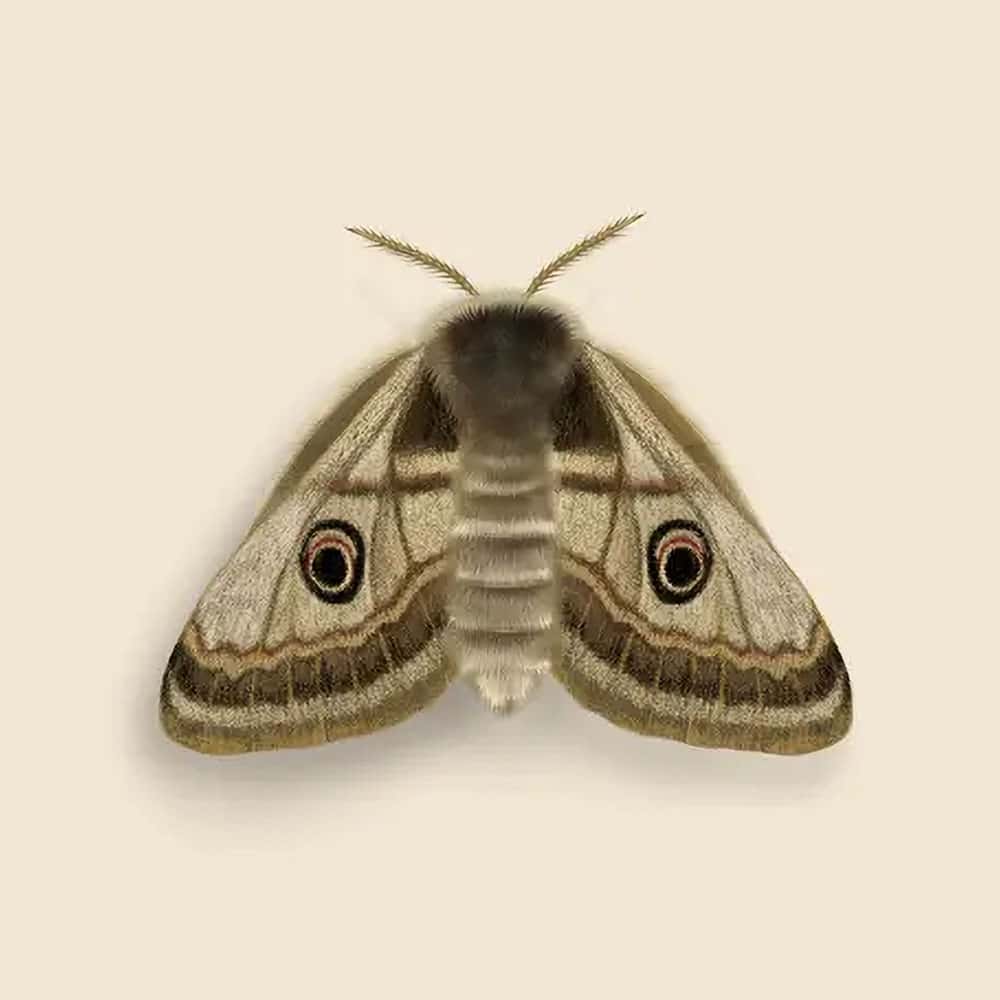
Order Lepidoptera
Identify
Types of Moths
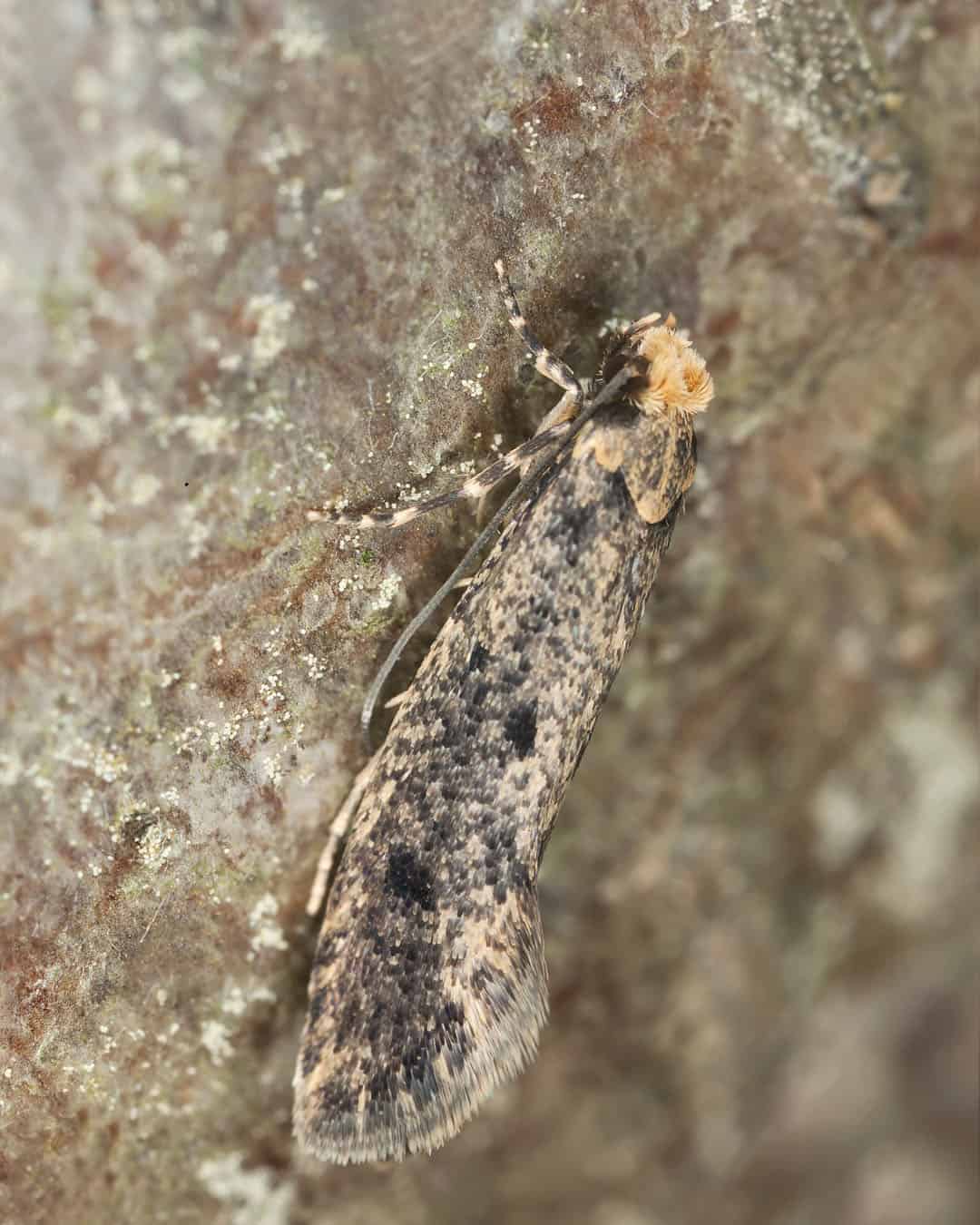
Moths are often overlooked pests that can cause significant damage to fabrics, clothing, and stored food items. Cloth moths, in particular, are notorious for their destructive larvae, which feed on natural fibers like wool, silk, and cotton, leading to costly damage.
Common Types of Moths
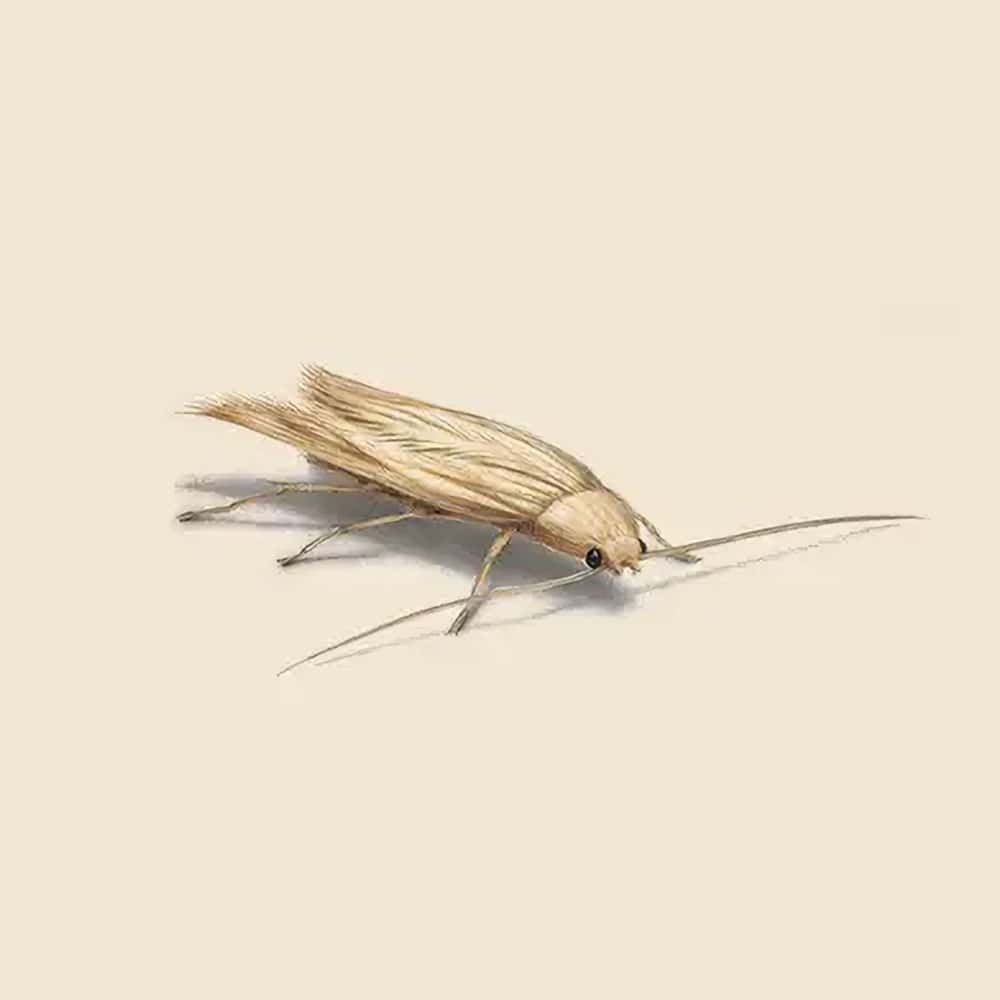
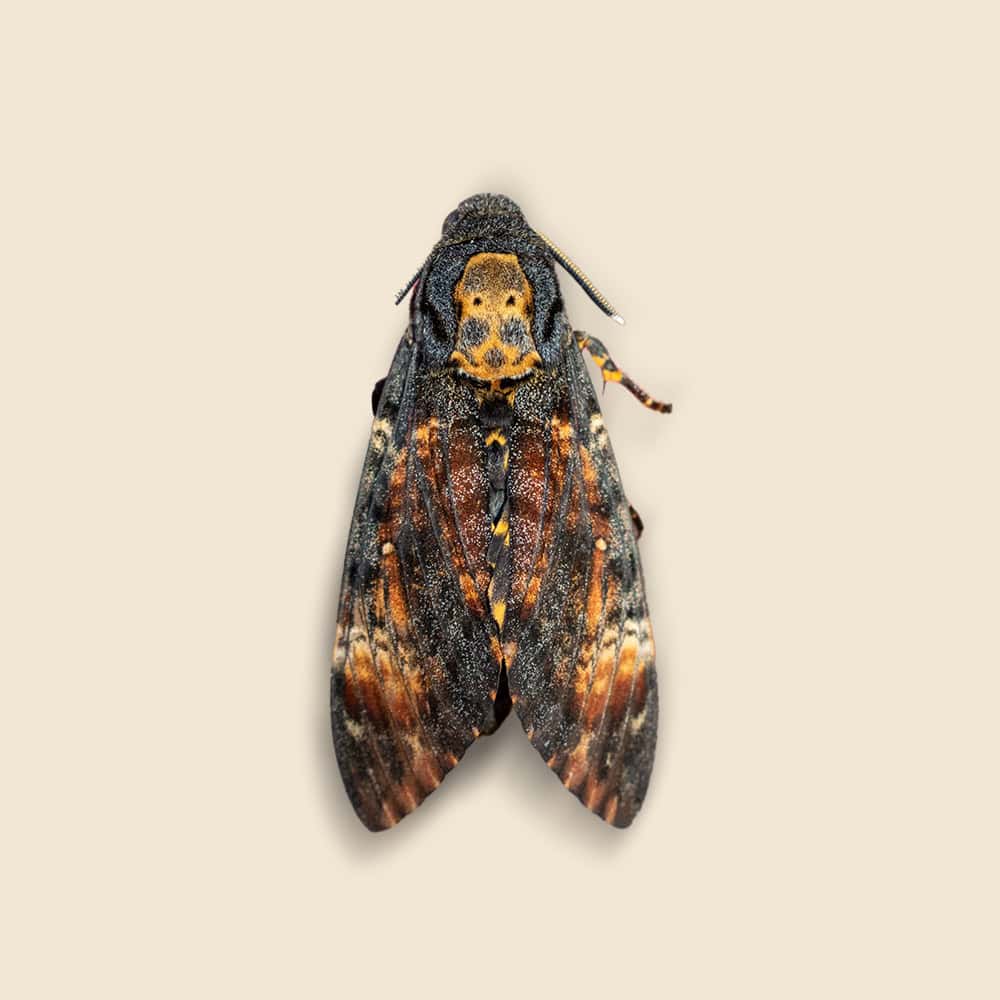
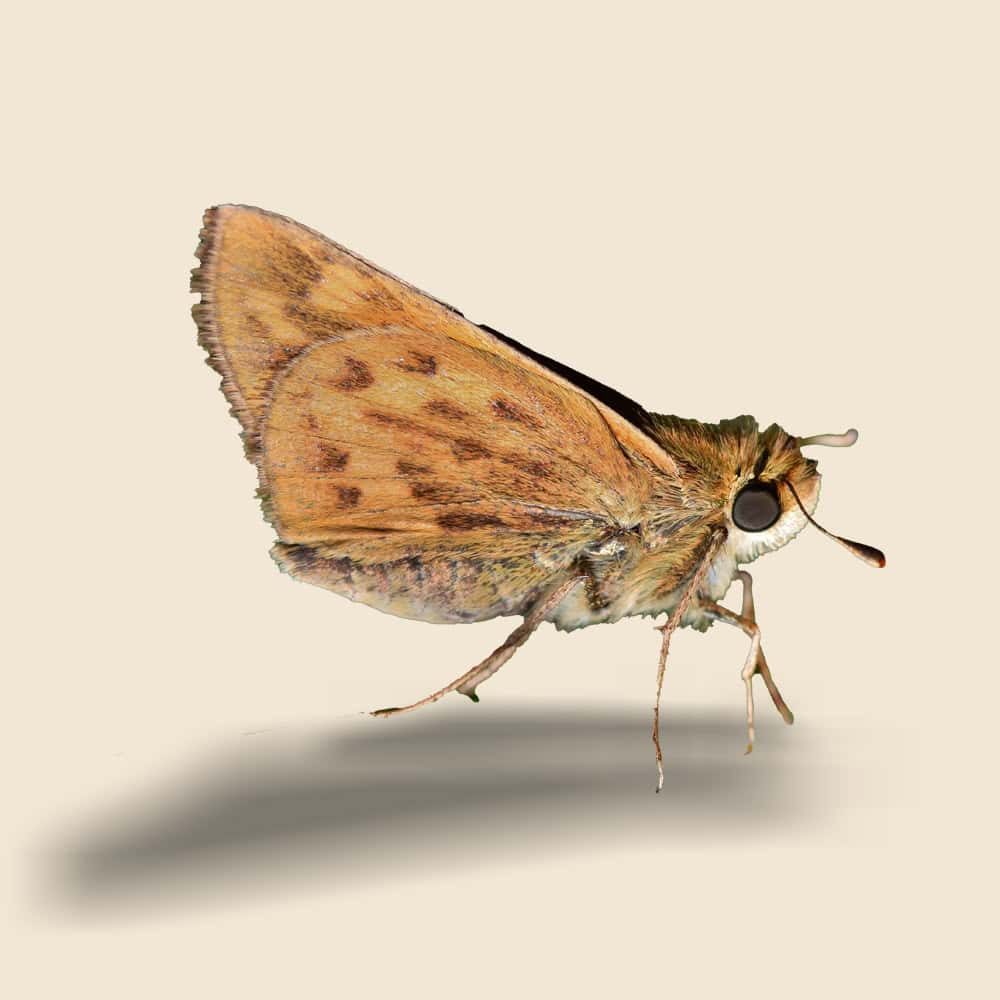
TREATMENT
How do I get rid of Moths?
At Hearts Pest Management, we understand the havoc moths can wreak in homes and businesses. Our approach begins with a detailed inspection to identify moth species, locate infestation sites, and assess the extent of the damage. Utilizing Integrated Pest Management (IPM) principles, we develop a comprehensive treatment plan tailored to effectively eliminate moths and prevent future infestations.
Our treatment strategies include targeted insecticide applications, pheromone traps, and thorough cleaning of infested areas to eliminate moths at all life stages. For cloth moths, we focus on treating affected fabrics and implementing preventive measures such as proper storage, regular vacuuming, and reducing humidity levels. We also address food moths by identifying and removing contaminated food sources, ensuring your pantry remains free from these pests.
Organic "Green Thumb" Program
Green Thinking to a Green Award Winning Company. We are constantly updating the list of products used within this program.
EPA Award Winning
We are the first pest control company in Southern California to achieve the California EPA Integrated Pest Management Award.

Active Member of the National Pest Management Association
We are one of the few pest control companies in this region licensed to perform both structural and landscape services.
Moth FACTS
Learn All About Moths
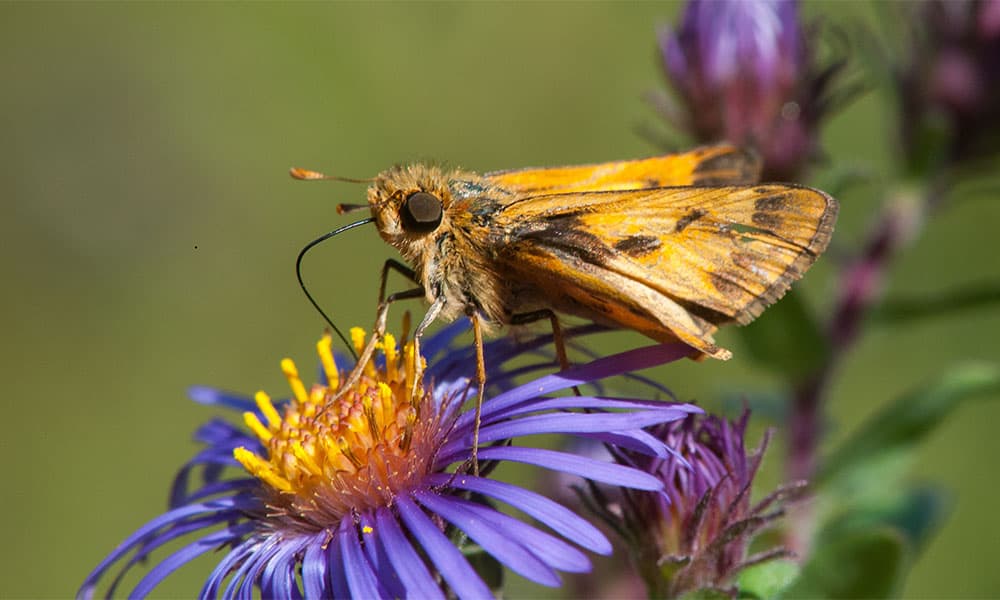
The more you know about moths, the better you can predict and control their behavior. Here are some interesting facts to help you on your way.
Lifespan
Adult moths typically live for a few weeks, during which their primary goal is to reproduce. The larval stage, which causes the most damage, can last several months.
Diet
Cloth moth larvae feed on natural fibers found in clothing, carpets, and upholstery, while pantry moth larvae, such as the Indian meal moth, consume stored food items like grains, nuts, and dried fruit.
Reproduction
Female moths lay hundreds of eggs in suitable environments, ensuring their larvae have immediate access to food upon hatching.
Identification
Cloth moths are often small and pale in color, while pantry moths have distinct markings on their wings. Identifying the type of moth is crucial for effective treatment.